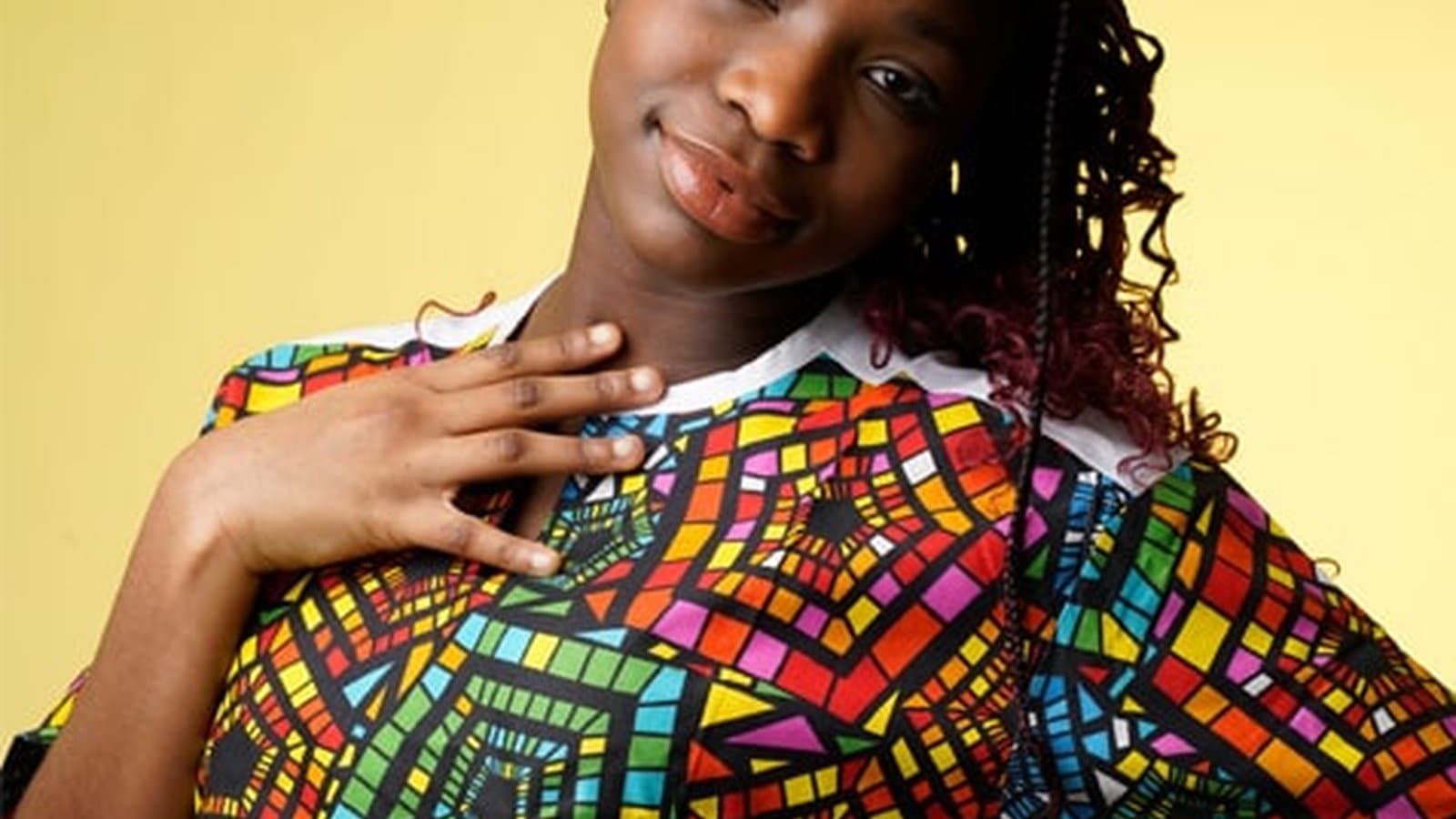
Modelling can be a brilliant creative outlet, a source of extra income, or the start of something longer — but knowing where to begin isn’t always obvious. This guide walks through what modelling actually involves, how to get started, and what to watch out for along the way.
What is modelling?
At its simplest, modelling means being photographed or filmed to help sell a product, a service, a brand or an idea. That could mean a fashion editorial for a magazine, a catalogue shoot for an online retailer, a fitness campaign for a sportswear brand, or a short video for a company’s social media.
It isn’t one single job. Models work across fashion, commercial, fitness, lifestyle, promotional and many other areas, and very few people do all of them. Most build a career — or a hobby — around the type of work that suits their look, personality and availability.
How to get into modelling: 10 steps
- Get honest with yourself about why you want to model. A clear sense of what you’re hoping to get out of it — creative experience, extra income, a portfolio, something else — makes every decision afterwards easier.
- Learn how the industry actually works. Understand the different types of modelling, how agencies operate and get paid, and what a genuine opportunity looks like compared with a scam.
- Take a good, honest look at yourself. Modelling isn’t only about height or a particular look; confidence, reliability and how you photograph all matter. Try to see yourself the way a camera would.
- Practise in front of a camera. Ask a friend or family member to take some simple photos in natural light. You’re not trying to create a polished portfolio yet — just to get comfortable being photographed.
- Put together simple, natural test images. Good natural light, minimal make-up, plain clothing and a plain background will show your natural look far better than heavy filters or studio-style photos taken at home.
- Research any agency or support service properly before applying. Look for a clear, professional website, a genuine application process and honest information about what happens next. Be wary of anyone who contacts you first, out of the blue.
- Submit an online application. Most reputable routes into modelling — including ours — start with a simple online form and a handful of natural photos, not an in-person meeting or a payment.
- Prepare for an assessment or interview. If your application moves forward, you may be invited to meet in person, have some test images taken, and ask questions about how everything works.
- Build your portfolio gradually. A portfolio is built over time, shoot by shoot, showing a range of looks rather than one styled set of images. Quality and variety matter more than quantity.
- Stay patient, professional and realistic. Modelling can take time, and not every application or audition leads anywhere. Treat every step — replying to emails, turning up on time, taking feedback well — as part of the job.
Types of modelling
Fashion and editorial
Fashion and editorial work covers magazine features, fashion campaigns and designer lookbooks. It often has particular size and height expectations, and tends to be one of the more competitive areas to break into.
Commercial modelling
Commercial work covers adverts, brand content and everyday campaigns, and generally welcomes a much wider range of looks, ages and body types than fashion work. For many people, it’s the most accessible starting point.
Catalogue and e-commerce
This covers product-focused shoots for online retailers and catalogues — clothing, accessories and homeware shown clearly and consistently. It’s steady, practical work that rewards reliability as much as a striking look.
Fitness and activewear
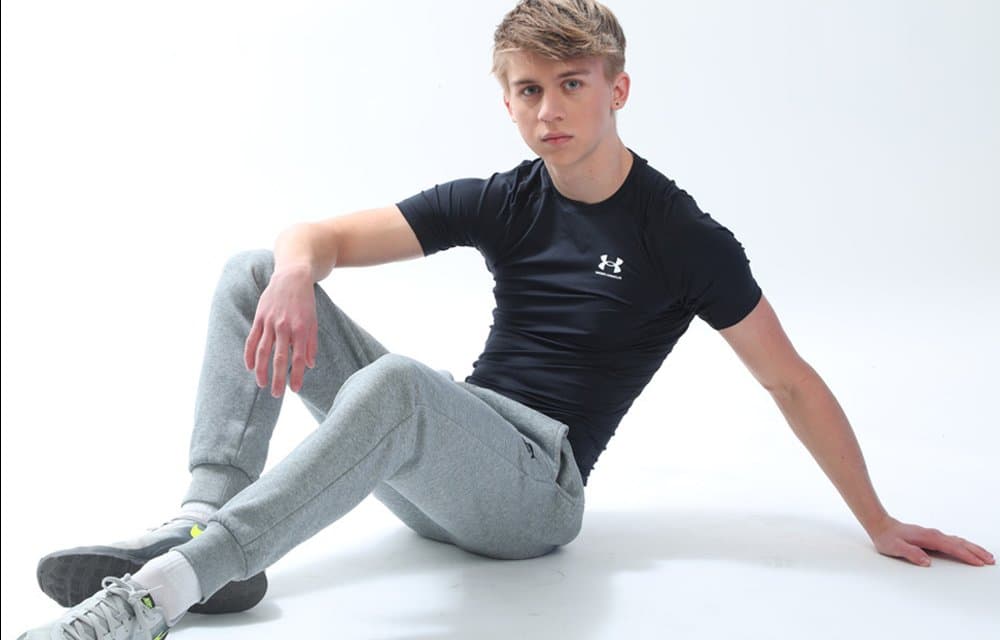
Fitness modelling covers sportswear, activewear and health-related campaigns, and usually favours a visibly active, healthy physique. It suits people who are already involved in sport or training.
Promotional modelling
Promotional work includes brand ambassador roles, product launches and events. It relies as much on confidence and people skills as on how someone photographs, making it a good fit for outgoing personalities.
Parts modelling
Some people model specific features — hands, feet or hair, for example — for close-up product or beauty shoots. It’s a specialist niche, but one where a particular feature can be a genuine asset.
The best way for teens to start
For teenagers, the safest and most sensible starting point is a support service or agency that clearly welcomes applications from young people, is transparent about how it works with parents and guardians, and never asks for payment upfront.
A parent or guardian should be involved from the very first application through to any assessment day, and should always have the final say. Schoolwork and wellbeing should come first, with modelling fitted around them, not the other way round.
Pros and cons of modelling
Pros
- A creative outlet that builds genuine confidence in front of a camera
- The chance to work with photographers, stylists and other creative people
- Flexible, varied work that can fit around study or another job
- A professional portfolio you can keep and build on over time
- The possibility of paid work, without any guarantee of it
Cons
- Work isn’t guaranteed, and there can be long gaps between opportunities
- It can involve early starts, long days and a fair amount of waiting around
- Rejection is a normal part of the process, not a reflection of your worth
- Travel to castings, shoots or assessment days is sometimes required
- The industry has its share of scams, so a healthy scepticism is essential
What to avoid: common modelling scams
Modelling attracts more than its share of scams, usually built around one thing: asking a hopeful new face to pay for something before any real opportunity exists.
- Anyone who contacts you unexpectedly on social media claiming you have “potential” or could be “scouted”
- Requests for an upfront “registration”, “application” or “membership” fee
- Pressure to book an expensive portfolio package before you’ve even been assessed
- Vague promises of guaranteed work, fame or earnings
- Any request to send private or inappropriate photographs
- Poor spelling, generic messages and no verifiable contact details
A genuine support service or agency will never guarantee you work, and will never ask you to pay simply to be considered. If something feels rushed, secretive or too good to be true, step back and check it out properly before doing anything else.
How UK Models can help
UK Models is a modelling agency — we help new faces understand the industry, put together a natural, honest portfolio and connect with clients and opportunities with realistic expectations. With 23 years of experience, we’ve seen what genuinely helps people starting out, and what doesn’t.
If you’d like some honest guidance and a proper assessment of where you’re starting from, applying only takes a few minutes.