Types of Modelling Explained

Modelling is a broader industry than most people realise. Understanding the different types helps you work out where your natural strengths and interests might fit, and most people naturally suit some niches more than others.
Fashion modelling
Editorial
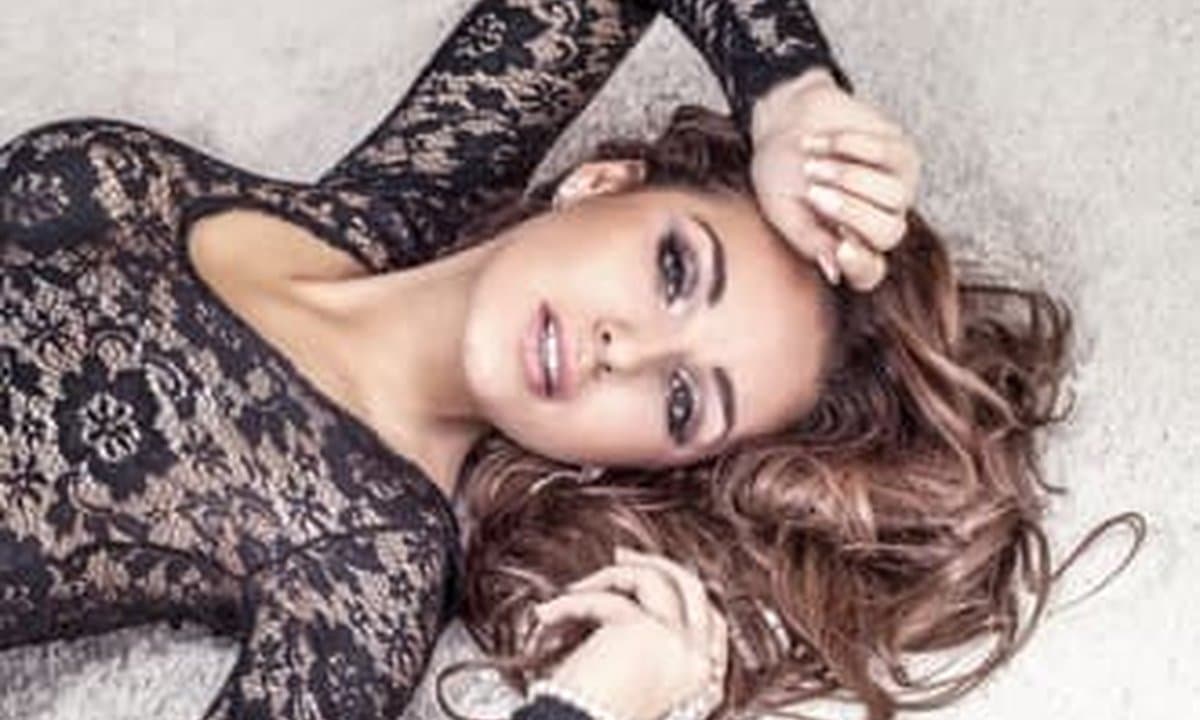
Magazine features and fashion stories, often more creative and conceptual than straightforward product shots.
Runway
Walking in fashion shows for designers and brands. This area often has more specific height and measurement requirements than other types.
Catalogue and e-commerce
Straightforward, clear product photography for websites and catalogues. This is high in volume and often more accessible for newer models.
Commercial modelling
Adverts, lifestyle campaigns and brand content aimed at a broad, relatable audience rather than high fashion. Commercial work tends to have the widest range of ages, looks and body types.
Fitness modelling
Activewear, sports brands and fitness-related campaigns, usually requiring a consistently maintained, athletic physique rather than one achieved briefly for a single shoot.
Curve and plus-size modelling
An established, growing area covering fashion, commercial and swimwear work for a wider range of body types.
Glamour modelling (18+)
Tasteful, strictly adult work with particular attention to contracts, consent and image rights. Anyone considering this should understand the legal and safety basics first.
Parts modelling
Modelling specific features, such as hands, feet or hair, for adverts and product shoots. This is a genuine, specialised niche with its own requirements.
Child and teen modelling
Modelling for younger age groups, always requiring parental or guardian consent, direct supervision, and appropriate safeguarding. Paid work for children of compulsory school age generally requires a performance licence from the local council. See our child modelling and teen modelling pages for details.
Mature and character modelling
Work aimed at older age groups or specific character types, increasingly in demand as brands look to represent a wider range of ages and life stages.
Finding your fit
Rather than trying to fit every category, it usually helps to:
- Get honest feedback at an assessment day about your natural strengths
- Research which niches suit your look, build and interests
- Build a portfolio that reflects the type of work you're genuinely aiming for
Next steps
If you're unsure which type of modelling might suit you, our team can talk it through with you directly.
Do you want to become a model?
Upload your photo and we'll let you know if you show model potential within three working days. No previous modelling experience required.
Submit application